
Indian outfits: sarees, lehengas and suits
Start with the kind of occasion and the piece you want to wear. A wedding lehenga, a festive saree and a suit for a family gathering can each lead to a different styling direction. Consider the garment’s colour and detail, then decide how simple or decorative the rest of the look should feel.
A saree and blouse are one example of separate-piece styling. In versions with the supported flow, organise the folded saree and its blouse as individual entries, select both and review the combination. This example sits alongside other Indian outfits; it does not define the whole app.
Western and everyday outfits: dresses and separates
A dress can be the starting point for an outfit, while tops and bottoms let you choose a combination. A jacket can suggest a more structured direction for work or an extra layer for an outing. Start with the pieces you want to keep and explain what you would like to change.
For example, compare an office direction around a blazer with a more relaxed top-and-bottom combination. The wardrobe also includes Activewear and Nightwear categories for eligible ordinary clothing. A saved category does not mean every item or combination is available in every styling or preview flow; check the choices in your app release.
Finishing touches: footwear, bags and accessories
Shoes, a bag, jewellery or sunglasses can change the feeling of a look without replacing its main garment. These pieces deserve their own place in the wardrobe, so you can recognise what you own and choose a finishing touch that works for the occasion.
Optional makeup in the photo-preview flow is a separate choice, not an owned wardrobe garment. It should affect cosmetic colours or finish while respecting the existing face and photo. Clothing, accessories and makeup should never be used as a reason to change the person’s identity or body shape.
Your vibe connects the categories
Choose an outfit yourself through Wardrobe or Explore, browse Trending Right Now for inspiration, or ask the Personal Designer for help. You might want the colour of an Indian festive look, the simplicity of an everyday outfit or the structure of workwear. Describe that preference rather than feeling limited to one garment type.
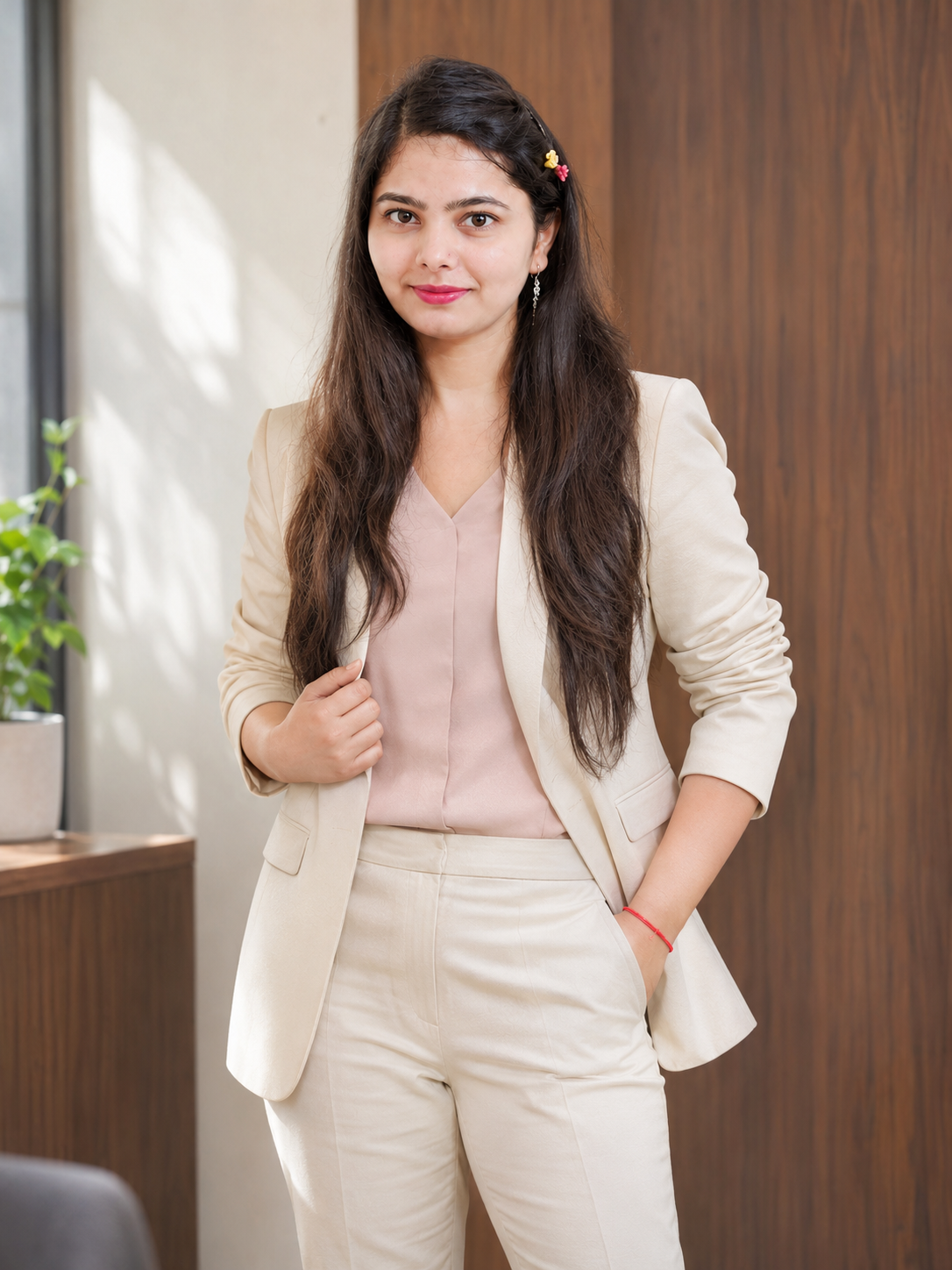
Inspiration and similar-item results are not tailoring specifications or product inventory. Review any photo preview within its original visible boundary, and check the retailer’s actual fabric, size, price and return information if you decide to shop. Campaign portraits on this website illustrate styling directions; they are not app-generated results.
A few good-to-knows.
Is SAWARNA only for saree and blouse styling?
No. Its scope includes Indian and Western outfits and accessories. Saree/blouse pairing is one example, alongside lehengas, suits, dresses, tops, bottoms and other supported categories.
Which categories can I organise in my wardrobe?
The app’s category list includes Sarees, Lehengas, Suits, Tops, Bottoms, Dresses, Jackets, Footwear, Bags, Accessories, Activewear, Nightwear and Sunglasses. Styling, shopping and photo-preview options vary by release and category.
Can I still get help pairing a folded saree with a separate blouse?
Yes, in versions supporting that flow. Add the blouse under Top / Blouse, keep the saree as its own entry and select both. That is one use case within the wider clothing and accessory experience.